The invention of the automobile fundamentally changed society, reshaping cities, transforming industries, and altering how people live and work. The journey from the first motor vehicle to the advanced cars we drive today is a fascinating story of innovation, engineering, and human ambition. Let’s explore the history of the automobile and how it evolved into the modern marvels we drive today.
The Birth of the Automobile
The history of the automobile begins in the late 19th century. Although several inventors were working on motor vehicles around the same time, it is Karl Benz who is often credited with inventing the first true automobile. In 1885, Benz built the Benz Patent-Motorwagen in Germany, powered by an internal combustion engine running on liquid petroleum gas. This three-wheeled vehicle, which had a tubular steel frame and an electric ignition, was a pioneering invention that led to the modern gas-powered automobile.
Early Developments and Mass Production
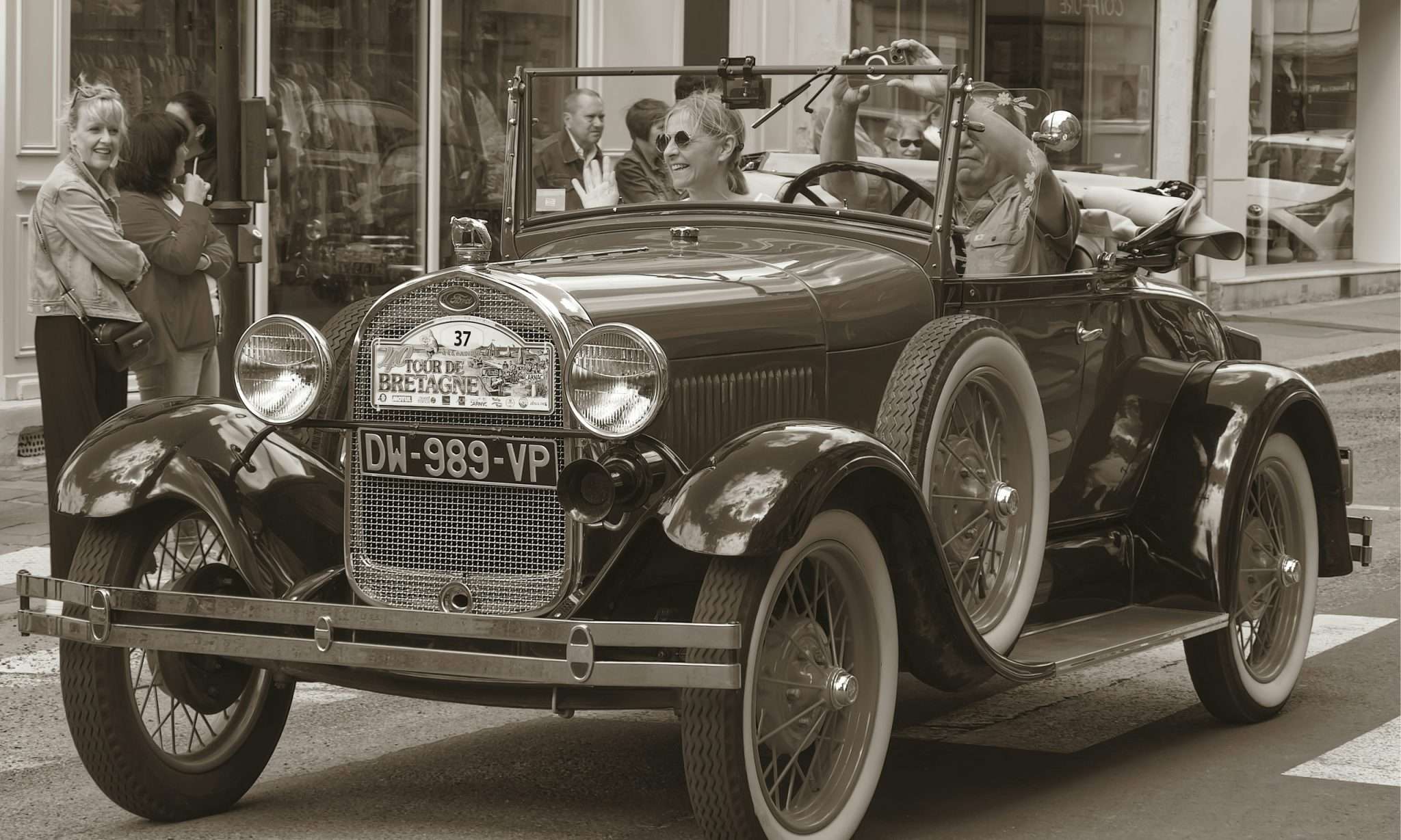
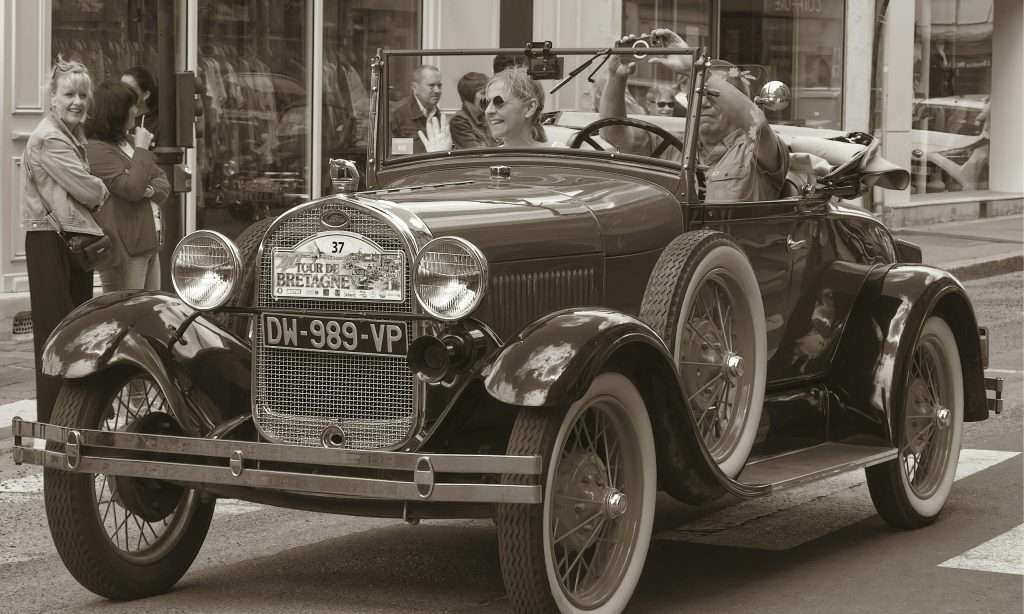
The early automobiles were luxury items, custom-made and unaffordable for most people. However, this changed dramatically with Henry Ford’s introduction of the Model T in 1908. Ford revolutionized automobile manufacturing by introducing assembly line production techniques, significantly lowering the costs and making cars affordable to the general public. The Model T quickly became immensely popular, establishing the automobile as a staple of American life and culture.
Technological Advancements and Global Spread
Throughout the 20th century, automobile technology advanced rapidly. Key developments included the introduction of all-steel bodies, hydraulic brakes, power steering, and, later, computerized engine management systems. The industry also saw the rise of safety innovations such as seat belts, airbags, and crash safety improvements, which have saved countless lives.
The post-World War II era marked a period of intense growth and international expansion in the automobile industry. Japanese and European manufacturers entered the market, bringing with them innovations in design and efficiency. This period also saw the rise of the global supply chain, with manufacturers sourcing parts and materials from around the world.
The Rise of Electric and Autonomous Vehicles
In recent years, the automotive industry has been undergoing another transformation with the rise of electric vehicles (EVs). Pioneered by companies like Tesla, EVs are becoming increasingly popular due to their lower environmental impact and advancements in battery technology. Today, nearly every major automobile manufacturer has at least one electric model in its lineup or is developing one.
Parallel to the development of EVs, there is also significant progress in the field of autonomous or self-driving cars. Innovations in artificial intelligence and sensor technology have led to advanced driver-assistance systems (ADAS), which are paving the way for fully autonomous vehicles that promise to transform driving even further.
The Future of Mobility
As we look to the future, the automotive industry continues to focus on sustainability and innovation. Concepts like shared mobility, connected cars, and advanced vehicle-to-everything (V2X) communication are being explored and developed. These technologies aim to make driving safer, more efficient, and less impactful on the environment.
The automobile has come a long way since Karl Benz’s first Motorwagen. From those early days of craftsmanship to the era of mass production, and now to a future shaped by digital and green technologies, the journey of the automobile is a testament to human ingenuity and a hint at the potential for future innovations. As we continue to advance, the promise of cleaner, smarter, and more efficient transportation seems more attainable than ever.