In recent years, the automotive industry has seen a significant shift towards more sustainable and environmentally friendly vehicles. Among these, hybrid and electric cars have become increasingly popular choices for consumers looking to reduce their carbon footprint and save on fuel costs. But what exactly are the differences between these two types of vehicles, and which might be the better choice for you? Let’s delve into the benefits of each to help you make an informed decision.
Hybrid Cars: Best of Both Worlds
How They Work: Hybrid vehicles combine a gasoline engine with one or more electric motors. The key advantage is that the electric motor can assist the gasoline engine in providing power, which reduces fuel consumption and emissions. Most hybrids are self-charging via regenerative braking, which captures energy normally lost during braking to recharge the battery.
Benefits:
- Fuel Efficiency: Hybrids are known for their superior fuel efficiency compared to traditional gasoline cars. They use less fuel by switching between the gas engine and electric motor depending on driving conditions.
- Reduced Emissions: By relying partly on electric power, hybrids emit fewer pollutants than conventional vehicles.
- No Range Anxiety: Unlike fully electric cars, hybrids do not rely solely on battery power and can be refueled with gasoline, making them ideal for long-distance travel without the worry of finding a charging station.
- Cost-Effective: While hybrids generally cost more than non-hybrid counterparts, they are usually cheaper than fully electric vehicles and can save money in the long term through reduced fuel costs.
Electric Cars: Driving Toward a Zero-Emissions Future
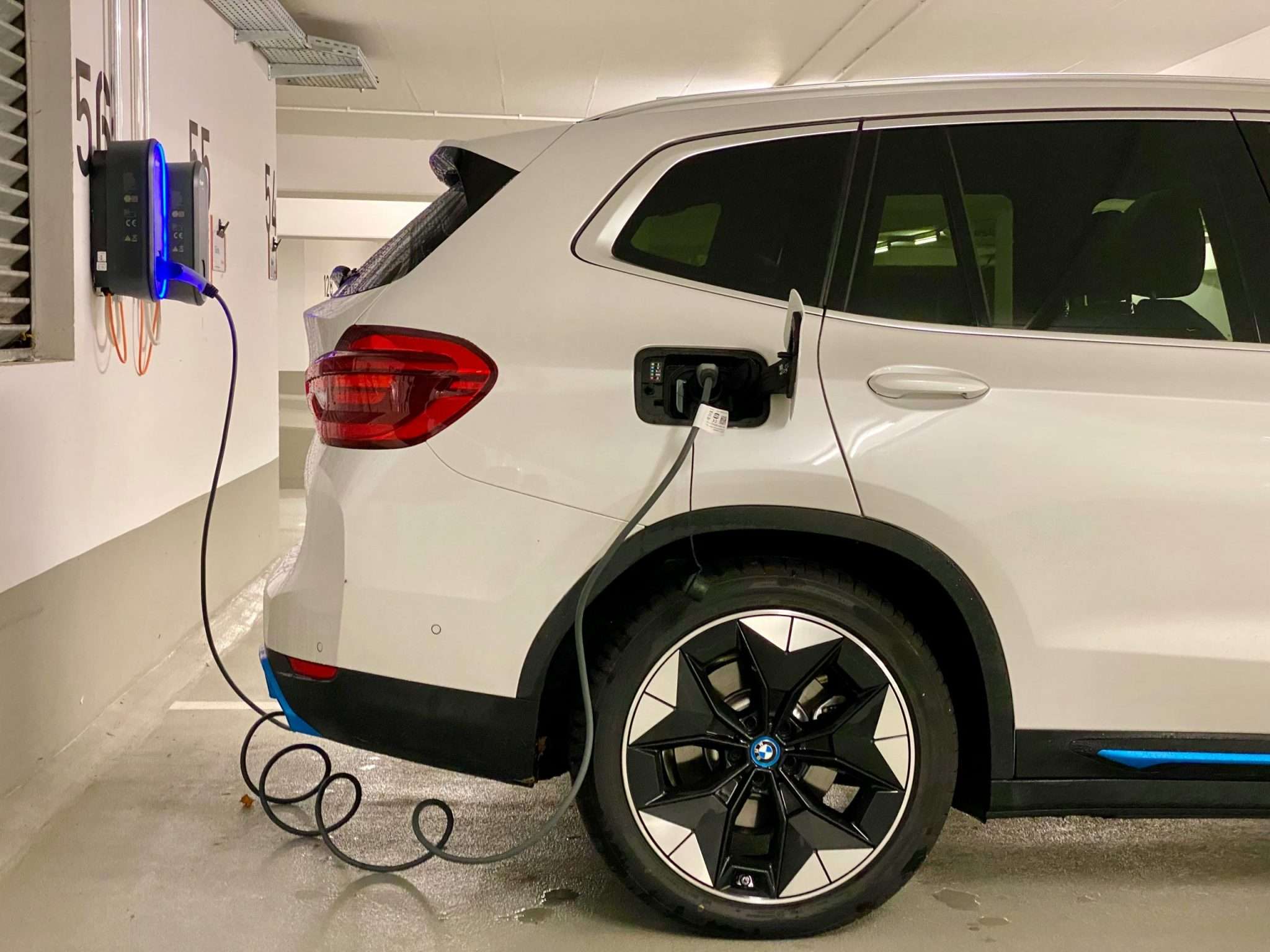
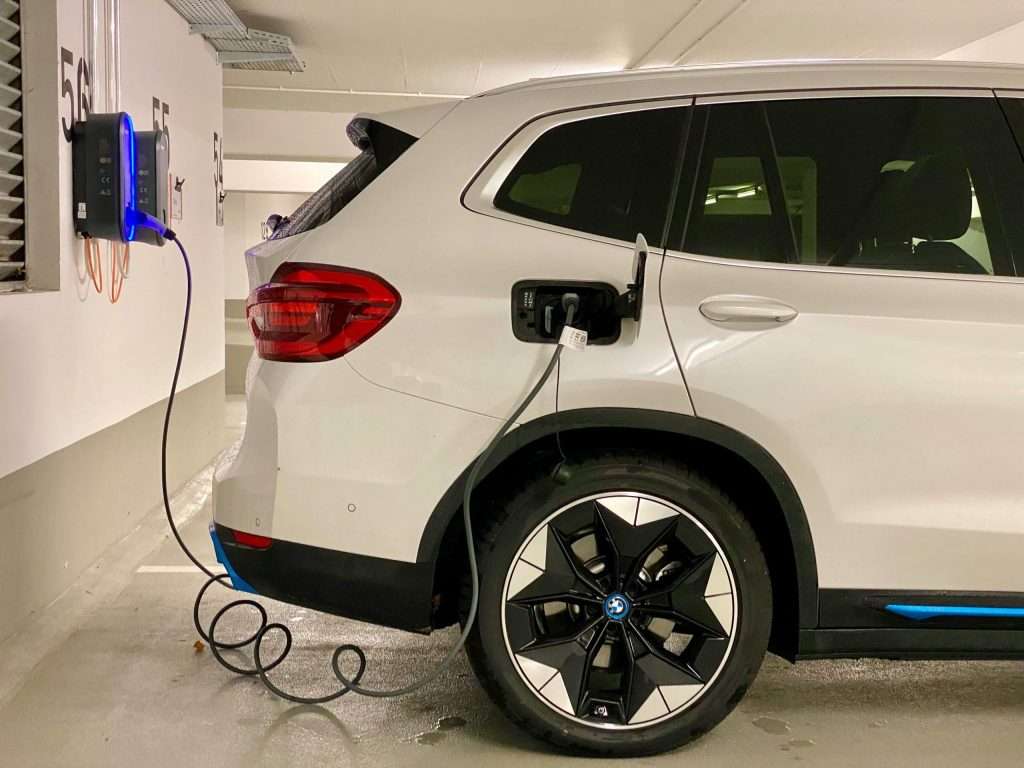
How They Work: Electric vehicles (EVs) are powered entirely by an electric motor and require plugging into a charging station to recharge their batteries. Unlike hybrids, EVs produce zero tailpipe emissions, making them the cleanest vehicle option available on the market.
Benefits:
- Zero Emissions: EVs contribute to cleaner air and reduced greenhouse gas emissions, as they do not emit pollutants from the tailpipe.
- Lower Operating Costs: Electricity is generally cheaper than gasoline, and EVs are more efficient than internal combustion engines. This results in lower per-mile costs over the life of the vehicle.
- High Performance: Electric cars provide a smoother and quieter ride with quicker acceleration from a stop due to instant torque from the electric motor.
- Incentives: Many governments offer tax credits, rebates, and other incentives to reduce the initial cost of purchasing an electric vehicle, making them more accessible to a broader audience.
Which Should You Choose?
The decision between a hybrid and an electric car often depends on several factors:
- Driving Habits: Consider how far you drive daily. If you frequently cover long distances and have limited access to charging stations, a hybrid might be more practical.
- Environmental Impact: If reducing your carbon footprint is a priority, electric cars are the best choice as they offer a zero-emission solution.
- Budget: Evaluate your budget not only for the upfront cost but also for long-term savings in fuel and maintenance.
Both hybrids and electric cars offer significant environmental benefits over traditional gasoline cars. By understanding the unique advantages of each, you can choose a vehicle that best fits your needs, lifestyle, and values. Whether you opt for a hybrid’s versatility or an electric car’s environmental credentials, moving away from conventional fuel cars is a step towards a more sustainable future.